
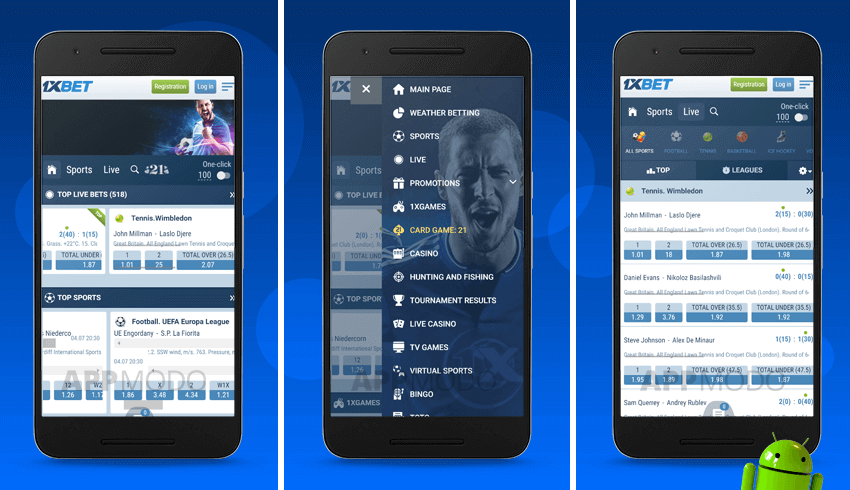
1xBet’s Android application works as a self-contained betting program that users obtain as an APK file. This article covers what that file is, how to download and install it safely, how updates arrive, what features the app opens up, and how the mobile website fills gaps when the app will not run or install.
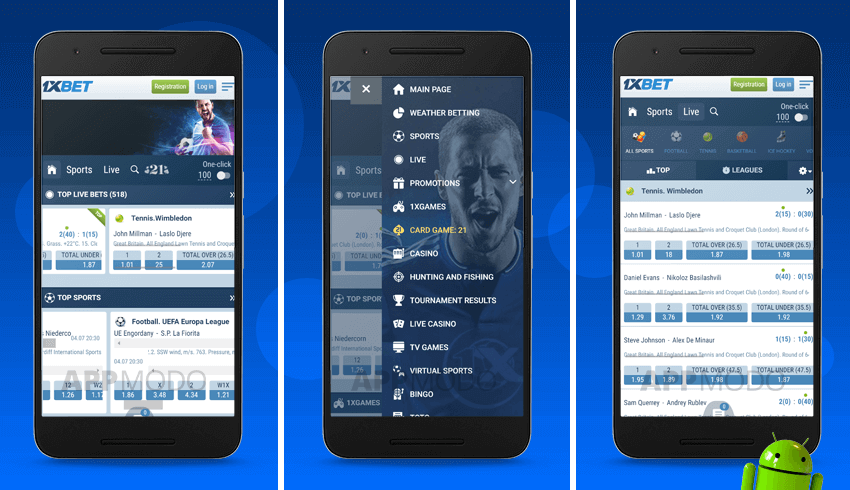
Getting the File Onto Your Device
An APK is Android’s package format for apps outside the Google Play Store. 1xBet offers its Android client this way because Play Store policies restrict real-money gambling apps in many territories. The file you download is the complete installer; nothing else is needed to run the app.
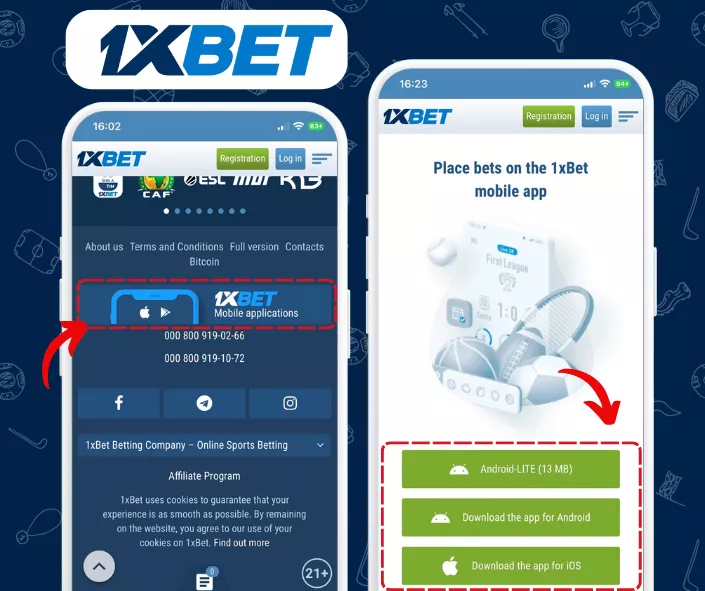
You fetch it directly from 1xBet’s site. Open your mobile browser, load the main page, and look for the mobile app prompt or Android icon. Tap once. The browser begins pulling the file. Watch the top of your screen for a download icon or notification. If the bar stalls, your connection may have dropped; the file does not resume, so you start again.
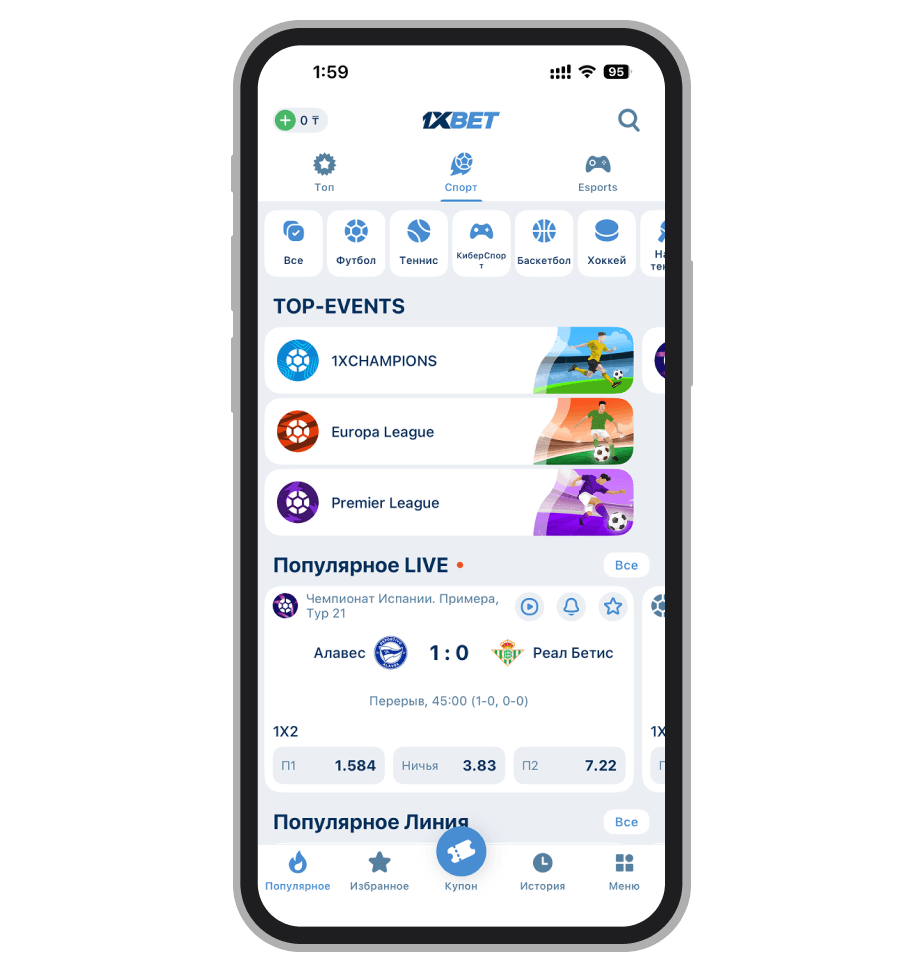
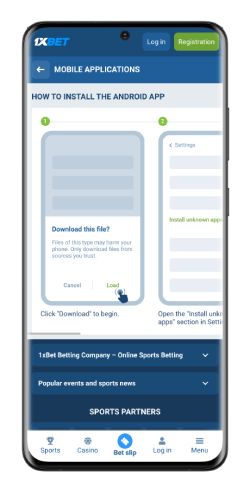
Before the install step, Android needs permission to accept apps from this source. The setting is called “Install unknown apps” or “Allow from this source,” depending on your Android version. Crucially, Android now grants this permission per app. If you downloaded through Chrome, you toggle permission for Chrome. If you used your file manager later, that app needs its own toggle. You can revoke these permissions after installation; they do not stay open forever.
During first launch, the app requests the standard suite: storage access for caching, network access for live data, and notification rights for alerts. These are normal. Denying storage sometimes breaks image loading in the casino section.
Staying Current and What Breaks
Updates for the 1xBet app do not arrive through Google Play. The app checks its own server on startup and prompts when a new version exists. You download the replacement APK and install it over the existing app. Your login and balance survive this; they live server-side. However, if the new APK carries a different signing certificate than your installed version, Android rejects the overlay. You must uninstall first. Uninstalling wipes local data: saved login shortcuts, cached match thumbnails, and drafted bet slips that never reached the server.
Three symptoms point to certificate mismatch or corrupted download:
- Android blocks install with “App not installed” despite free storage
- The update prompt loops every restart without ever finishing
- Your security software flags the file after download completes
The fixes are straightforward. Delete the partial file, clear your browser cache, and pull a fresh copy from the source page. If you want the file straight from the source, the 1xbet app download apk version page is the quickest route. It keeps the package current. Check your phone’s storage again; the expanded app needs more room than the APK alone.
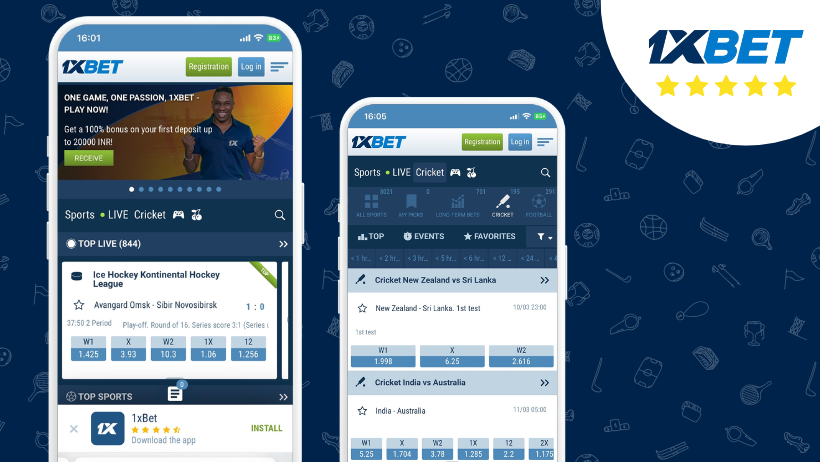
Running two versions side by side is impossible. Android treats them as the same package. If you need to test a beta or mirror build, you must abandon the stable install temporarily.
What the App Opens Up
The app and the mobile website share the same account system, payment rails, and betting markets. Where they diverge is speed and persistence. The app keeps a connection open to 1xBet’s servers, so live odds refresh faster than in a browser tab. The coupon stays active if you switch apps to check a statistic or messaging app. The mobile site, by contrast, may dump your slip if the browser throttles background tabs to save battery.
Core features available in the Android client include:
- Sports betting with prematch and live markets across football, tennis, basketball, cricket, esports, and niche codes
- Live streaming for selected events, tied to your account balance or recent bet history
- Casino slots, table games, and live dealer rooms running from the same wallet
- One-wallet deposits and withdrawals through cards, e-wallets, bank transfers, and cryptocurrencies where regionally supported
- Account controls: verification upload, self-exclusion timing, and betting limits
The casino section loads heavier graphics than sports betting. On older devices, slot animations may stutter. Switching to the mobile website for casino play sometimes runs smoother, since the browser can offload rendering differently.
Notifications are app-only. You set match alerts, settled-bet confirmations, and promotional flags in the app’s settings menu. The site cannot push these; it relies on you checking manually. For anyone tracking multiple live events, that gap matters.
Gambling carries risk. Set deposit limits in your account panel before you start, and use the self-exclusion tools if sessions stretch too long.
Problems, Verification, and the Mobile Site Fallback
Not every Android device runs the app smoothly. Blocked installs, regional restrictions, and hardware limits push some users toward the mobile website. That fallback is deliberate; 1xBet designed the browser experience to mirror the app where possible.
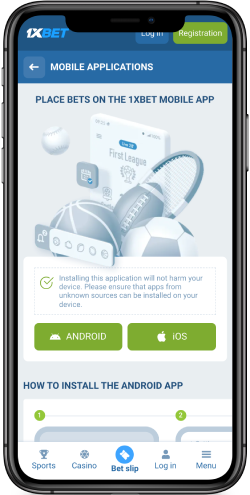
Common installation failures and responses:
| Symptom | Likely cause | Response |
|---|---|---|
| “Package appears to be invalid” | Incomplete download or server timeout | Re-download on stable Wi-Fi, avoid download managers |
| “Blocked by Play Protect” | Google’s side-load warning, not a virus flag | If you trust the source, select “More details” and then “Install anyway |
| App crashes at logo screen | Insufficient RAM or graphics driver conflict | Clear cache, restart phone, or use mobile site |
| Update never prompts | Regional server routing or old certificate | Manual check on source site, uninstall-reinstall if needed |
Verifying your download source is essential. The APK should come from 1xBet’s own domain or an explicit mirror they list. Third-party aggregators sometimes inject ads or older builds. The European Gaming and Betting Association provides frameworks for operator transparency, though direct consumer protection varies by licensing territory. Check which regulator backs your local 1xBet site; that detail appears in the footer of the homepage.
The mobile website requires no install, no permissions, and no storage. It runs in any modern browser. Login persists through cookies, though session length varies by security settings. The layout adapts to screen width, dropping some visual flourishes the app keeps. Core betting functions—placing singles, accumulators, and live wagers—work identically. You lose notifications and the slight speed edge, but gain universal access.
Many experienced users run both: the app for daily betting and alerts, the mobile site as backup on shared devices or when traveling light. Your account history syncs across both instantly.
FAQ
Why does the app constantly ask me to update even after I installed the latest version?
The update prompt usually means your install carried an older certificate or the local version code does not match the server’s current release. Uninstall completely, clear your browser cache, and pull a fresh APK. Reinstalling over a mismatched certificate fails silently; only a clean start resolves it.
Can I use the same account on the app and the mobile site at the same time?
Yes. 1xBet permits concurrent sessions, though security may log you out of one if suspicious activity flags. Your balance, open bets, and history stay synchronized across both.
Does the app work offline for checking odds or past results?
No. The app needs an active connection for all functions. Cached match thumbnails may display, but live odds, bet placement, and account data require network access. The mobile site behaves identically in this respect.
Will my phone’s security software flag the 1xBet app as harmful?
Some security suites warn about any APK outside Play Store. This is a generic heuristic, not confirmation of malware. Play Protect may prompt with “harmful app detected.” You bypass this by confirming the source yourself. Keep your phone’s broader security settings active; do not disable them globally.
How do the app and site handle deposits differently?
Payment methods appear identical on both. Processing speed depends on the provider, not the interface. The app can store payment details securely for faster repeat deposits; the mobile site requires re-entry unless your browser autofills. Withdrawal requests queue the same way regardless of which interface you use.
